Research Report
The Yellow Color Morph
Investigating xanthic development in Macropodus ocellatus
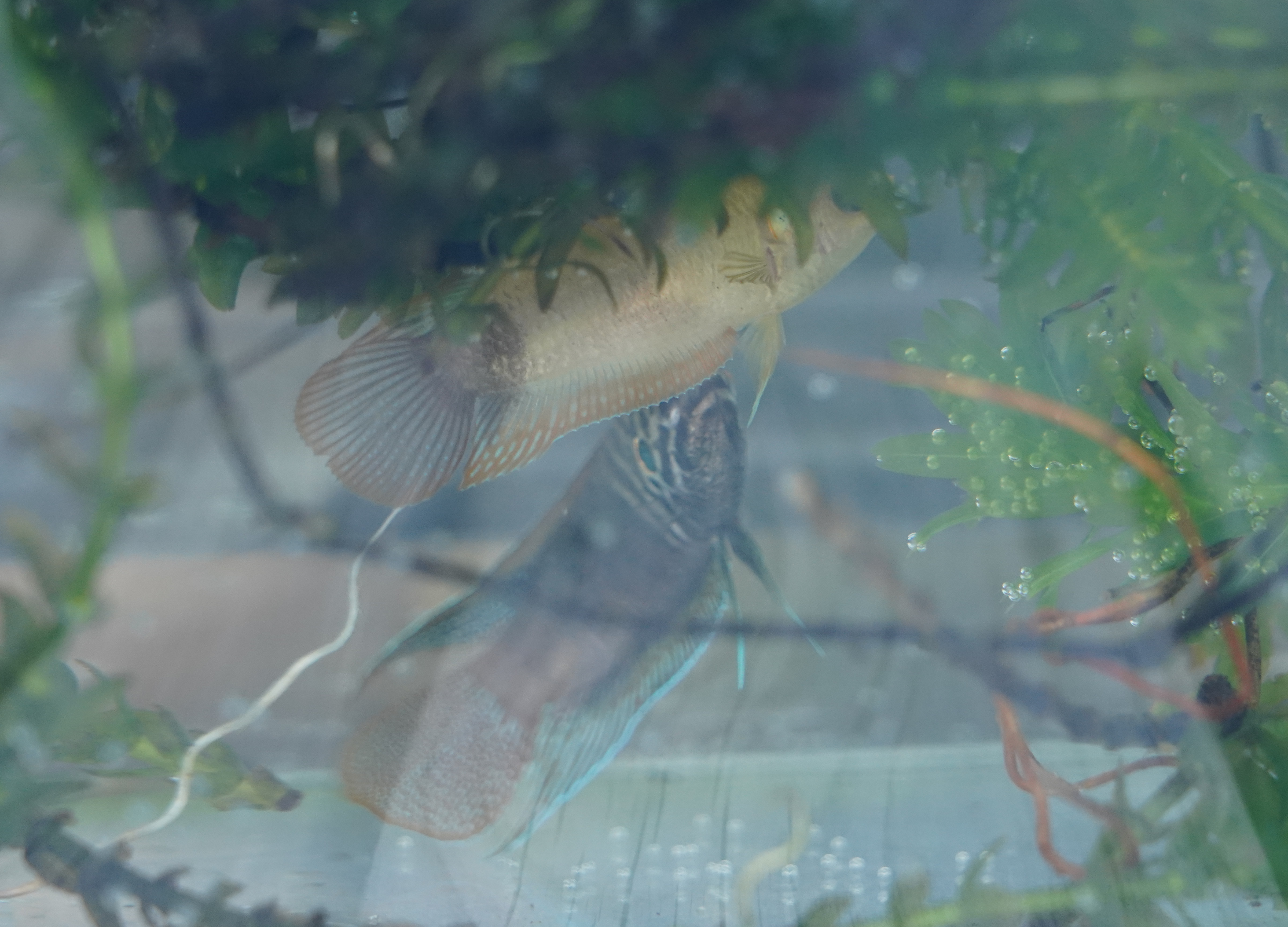
Figure 1: Phenotypic comparison between standard wild-type (bottom) and the xanthic yellow morph (top). Captured: Fri, 24 May 2024
The Yellow Morph: Phenotypic Characteristics
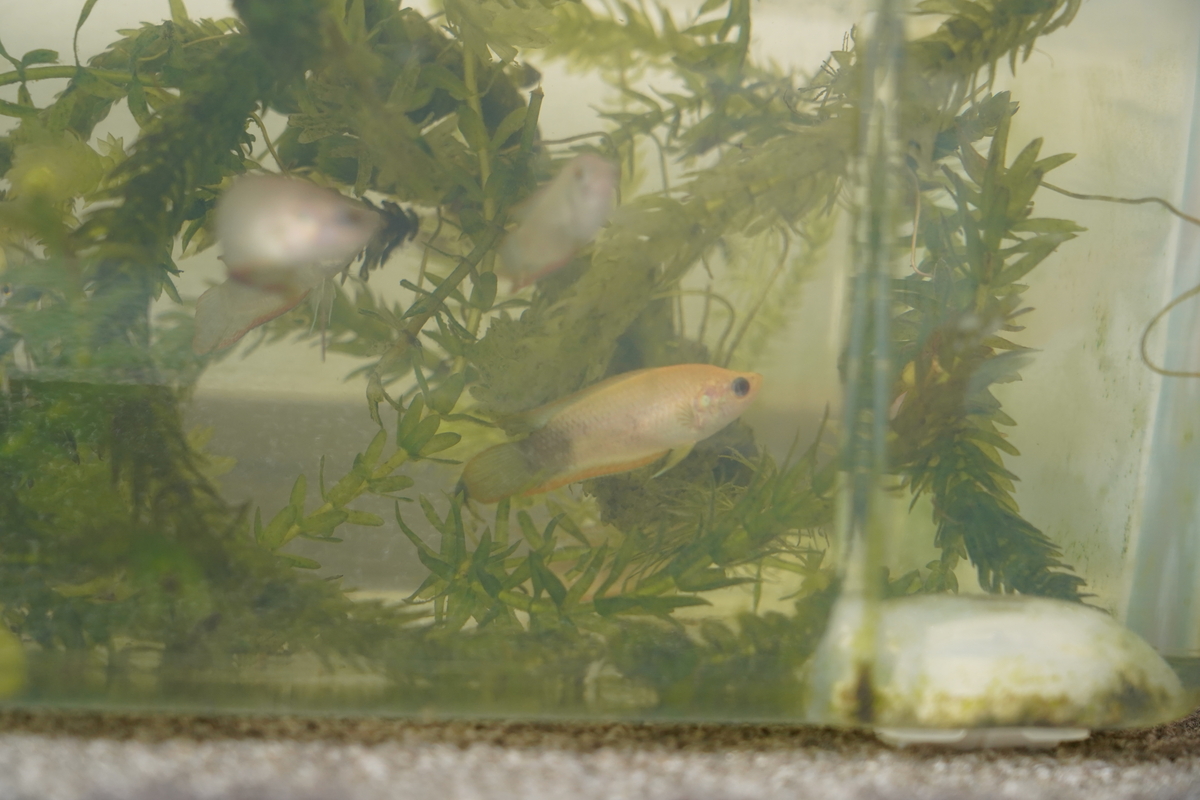
A distinct yellow color morph has been identified in naturalized Japanese populations of Macropodus ocellatus. This phenotype is defined by the near-complete absence of the traditional red, blue, and black nuptial pigments typically associated with mature wild-type individuals.
Unlike seasonal breeding coloration in standard fish, the yellow morph displays a stable yellow body coloration throughout the year. The transition appears to be ontogenetic and irreversible once initiated.
Developmental Divergence
Yellow morph individuals are visually indistinguishable from wild-type fry at hatching and throughout early juvenile development. The divergence only becomes apparent after sexual maturation.
Fry and juvenile fish show no reliable external distinction from wild-type individuals during early development.
Color transition generally occurs after sexual maturation, typically around one year of age, though some specimens transition after two or more years.
The process involves progressive degeneration or suppression of melanophores, resulting in a permanent yellow phenotype.
Unlike wild-type nuptial coloration, the yellow phenotype does not fluctuate with seasonal breeding cycles.
Captive Observations & Breeding Records
Known Specimens
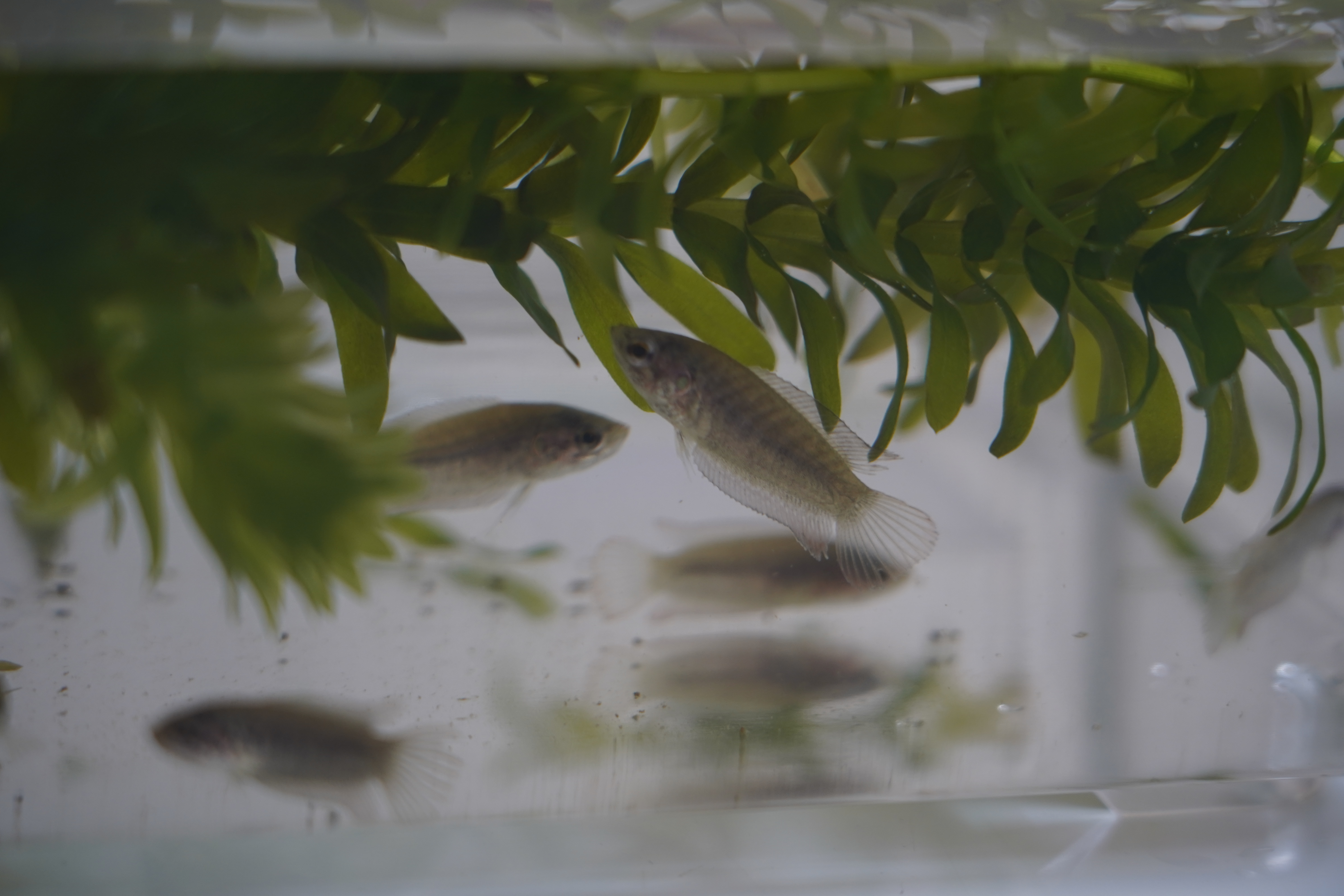
Three confirmed yellow morph individuals have been maintained in captivity, with two currently surviving. Based on acquisition and developmental timelines, these fish are believed to have hatched in either 2022 or 2023.
Sexual Dimorphism & Expression
The most vivid yellow coloration observed thus far has occurred in a female specimen. This may indicate variation in expression intensity linked to endocrine state, sex-specific physiology, or individual genetic background.
F1 Generation Data
One yellow morph female successfully produced at least nine confirmed F1 offspring through crosses with wild-type individuals. None of the offspring have yet developed the full yellow phenotype during juvenile stages.
Continued longitudinal observation of these F1 individuals will be essential in determining whether delayed-onset expression may occur in heterozygous carriers after sexual maturation.
Initial Breeding Observations
Preliminary observations suggest that the yellow morph follows a non-dominant inheritance pattern. Crosses between yellow morph individuals and wild-type fish consistently produce F1 offspring displaying the standard wild-type phenotype.
F1 Phenotype
While offspring generally appear phenotypically wild-type, some individuals display a subtle yellowish undertone not typically observed in unrelated wild populations.
Carrier Identification
At present, no reliable external markers exist for distinguishing heterozygous F1 carriers from standard wild-type individuals.
Proposed Genetic Mechanisms
Autosomal Recessive Inheritance
The most parsimonious explanation is a simple Mendelian recessive trait. Under this model, the yellow phenotype results from a homozygous loss-of-function allele affecting melanin production or melanophore maintenance.
F1 individuals remain phenotypically normal because they are heterozygous carriers.
Regulatory or Endocrine Modulation
Because the transition occurs only after sexual maturation, the trait may involve endocrine or developmental regulation rather than complete pigment absence from birth.
Under this hypothesis, hormonal changes during maturation may trigger suppression of mature melanophore maintenance pathways.
Polygenic and Environmental Influence
Variation in onset timing between individuals suggests the possibility of a polygenic system involving multiple interacting loci.
Environmental variables such as temperature, nutrition, social hierarchy, or stress may also influence the timing and intensity of expression.
Ancestral Latency or Introgression
The appearance of the yellow phenotype in both captive and naturalized Japanese populations suggests a potentially shared genetic background.
The trait may persist at low frequencies within the broader population and only manifest under specific genetic combinations or through historic introgression from related lineages.
Future Research Directions
Controlled Breeding
F2 crosses and backcrosses are needed to establish accurate Mendelian ratios and determine whether the trait behaves as a recessive, polygenic, or regulatory phenotype.
Cellular Analysis
Microscopic examination of chromatophore populations may reveal whether the phenotype results from melanophore degeneration, suppression, or cellular transdifferentiation.
Genomic Mapping
GWAS and candidate gene analysis may help identify the loci responsible for this delayed ontogenetic color transition.
"The yellow morph of Macropodus ocellatus represents a potentially unique ontogenetic pigmentation phenomenon combining developmental timing, irreversible chromatophore loss, and possible endocrine regulation. Continued breeding and longitudinal observation may provide valuable insight into pigment regulation mechanisms in labyrinth fishes."